
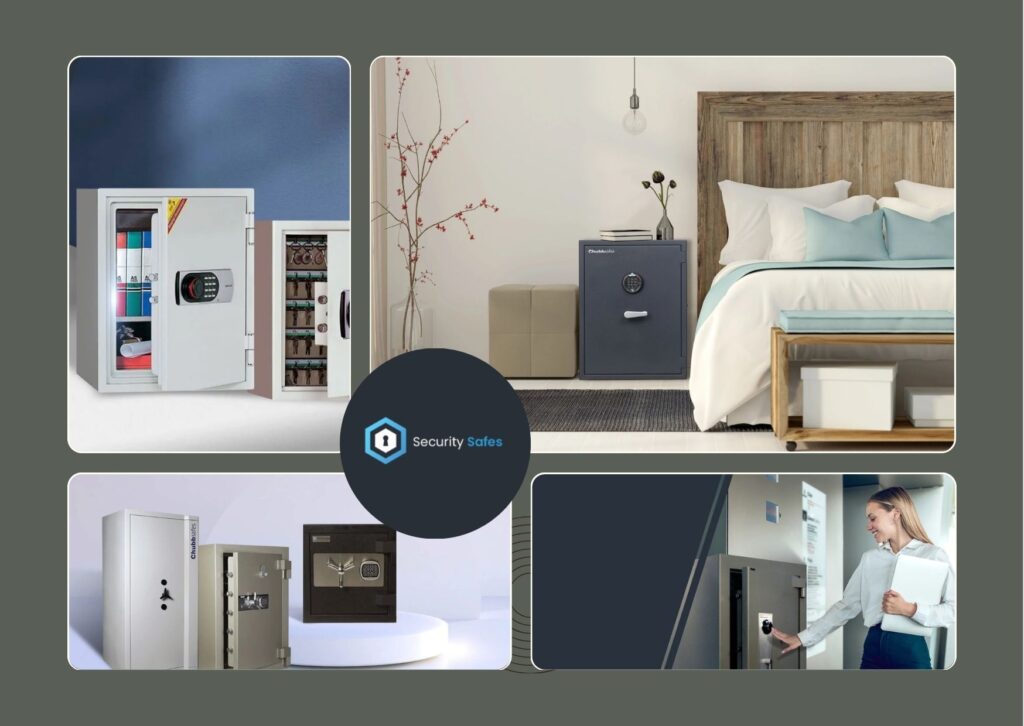
Start with your risk and storage checklist
Before choosing a safe, map out what you need to protect and how those items are likely to be targeted. List the valuables, documents, and equipment you plan to store, then note their approximate value and size so you can match the chubb safes internal capacity. Consider your environment too: busy homes, shared offices, retail back rooms, and remote work sites all carry different risk levels. This step prevents overspending on unnecessary features or underbuying for your actual security needs.
Next, check how the safe will be used day to day, not just during emergencies. Decide whether you need quick access for authorised staff, how often the safe will be opened, and whether multiple users require controlled access. Think about what you will store alongside the main items, such as spare keys, backups, or sensitive paperwork that needs better compartmentalisation. When you plan for real usage, you can choose the right opening style, internal layout, and access method without compromising safety.
Verify security performance with a practical checklist
Use a performance checklist to compare safe models in a consistent way, focusing on both burglary resistance and safe handling. Look for indicators like construction thickness, locking mechanism quality, and how the door secures against forced attack. If you’re storing security safes high-value items, prioritise strong door and bolt design rather than only exterior appearance. For document protection, also assess fire-resistance claims and how they align with the type of materials you intend to keep inside.
It’s also important to assess how the safe is secured within the building. A safe that’s anchored correctly can deter theft and reduce the chance of removal, especially in homes with accessible floors or offices with strong foot traffic. Check whether the safe supports anchoring options and whether installation points are compatible with your walls or slab. If you’re unsure, confirm installation guidance through the seller so the safe performs as intended once it’s in place.
Match capacity, placement, and access to your layout
Capacity decisions should be deliberate, using measurements rather than guesses. Measure the largest item you plan to store, including folders, binders, or small electronic devices, and confirm you’ll still have room for safe organisation. Consider whether you need adjustable shelves, compartments, or room for future upgrades like additional documents or replacement devices. Choosing the right internal arrangement helps you keep items separated and reduces the chance of overcrowding that can affect door closure and use.
Placement affects both security and convenience, so it should be part of your checklist. Choose a spot that supports anchoring and minimises visibility from common entry routes, such as hallways, reception areas, or adjoining workspaces. Ensure there’s enough clearance for the door to open fully, especially if you’re using a handle or keypad that requires space. Finally, think about accessibility for authorised users—having a safe that’s inconvenient to use often leads to workaround behaviours, which can weaken your overall security.
Conclusion
Buying a safe is easier when you approach it like a checklist, starting with what you’re protecting and finishing with how the safe will be installed and used. Confirm your storage needs, verify security performance, and plan placement so the safe remains anchored, functional, and practical for everyday access. With the right selection process, you can secure valuables and documents in a way that supports both peace of mind and workplace confidence. Use your checklist to compare models consistently, rather than relying on marketing claims alone. When you match capacity, access, and anchoring to your specific environment, you reduce the risk of buying the wrong size or the wrong security level. This approach is especially valuable for businesses that need secure storage without disrupting operations. Make your next purchase decision with structure and clarity, and you’ll be better positioned to protect important belongings.