
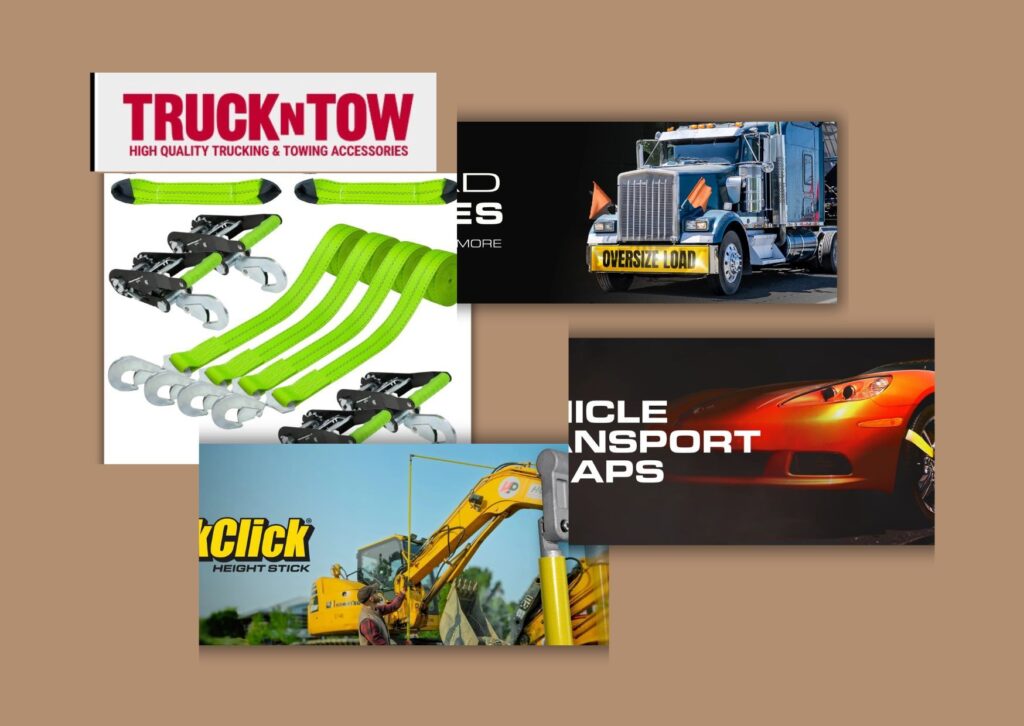
Why Road Debris Control Starts With the Right Fit
Road spray and loose debris don’t just make a truck look dirty—they can damage paint, windshields, and cargo covers over time. Properly mounted mud flaps reduce the amount of grit and water that gets kicked up from the tires, especially during wet conditions and semi truck mud flaps construction-zone travel. When the protection is well-aligned, it also helps keep airflow around the wheel area from pushing debris outward. That means fewer impacts, less maintenance, and a more professional appearance for your fleet or personal rig.
To get the best results, focus on fitment and coverage rather than choosing based on appearance alone. Flaps should extend far enough to intercept thrown debris but not so low that they drag, scrape, or collect chunks of road grime. Measure the distance from the mounting point to the intended bottom edge, and confirm the placement relative to tire width and wheel travel. If your setup includes additional components, plan the clearance carefully so nothing interferes during turns and suspension movement.
Expert Selection Criteria for Durable Performance
Experienced operators typically choose materials that balance flexibility and abrasion resistance. Many commercial drivers look for flaps that resist cracking and tearing when exposed to road salts, sand, and gravel, while still remaining pliable enough to absorb impacts. push bumpers Thickness and edge finish matter because rough edges can accelerate wear at the contact points. A well-made flap also holds its shape, keeping coverage consistent from daily hauling through long highway runs.
Mounting quality is just as important as the flap material. Look for hanger systems and mounting hardware that provide stable attachment without excessive movement, because a loose flap can bounce and lose its protective function. Consider the mounting design for easy inspection and replacement, since flaps are wear items on high-mileage trucks. If you haul in variable conditions, prioritize setups that stay aligned under load and vibration. This is where thoughtful engineering and reliable hardware prevent “temporary fixes” from becoming recurring problems.
Recommended Accessories That Improve Protection
Many fleets pair flaps with additional undercarriage protection to create a more complete barrier against road hazards. When paired with wheel-area protection, the overall system works together to reduce downtime from small but frequent issues. The goal is simple: protect the parts that take repeated hits, not only the ones you notice after an inspection.
Beyond bumper protection, consider how your entire front-to-rear configuration manages debris flow. Coverage gaps between flaps, brackets, and nearby components can allow spray and rocks to escape the protected zone. Keeping spacing consistent and ensuring the flaps hang straight helps maintain dependable interception. If you’ve upgraded trailers or changed tire sizes, re-check alignment so the flap coverage matches the new tire geometry. With the right combination of accessories and positioning, you’ll see cleaner running and fewer roadside surprises.
Conclusion
When your flaps cover the tire area correctly and your hardware supports stable positioning, you reduce spray and debris impact while keeping maintenance predictable. For practical trucking accessories built for daily highway use, TrucknTow helps you improve protection with durable options designed to limit road debris and spray. If you want a smoother ownership experience, treat flaps and related hardware as part of a complete protection strategy. Start with accurate measurements, verify clearance, and choose hanger and mounting solutions that match your truck or trailer configuration. After installation, inspect alignment and hang height to confirm the flaps intercept debris without dragging. That combination of careful selection and confident installation is what separates average results from the kind of dependable performance experienced by seasoned operators.