
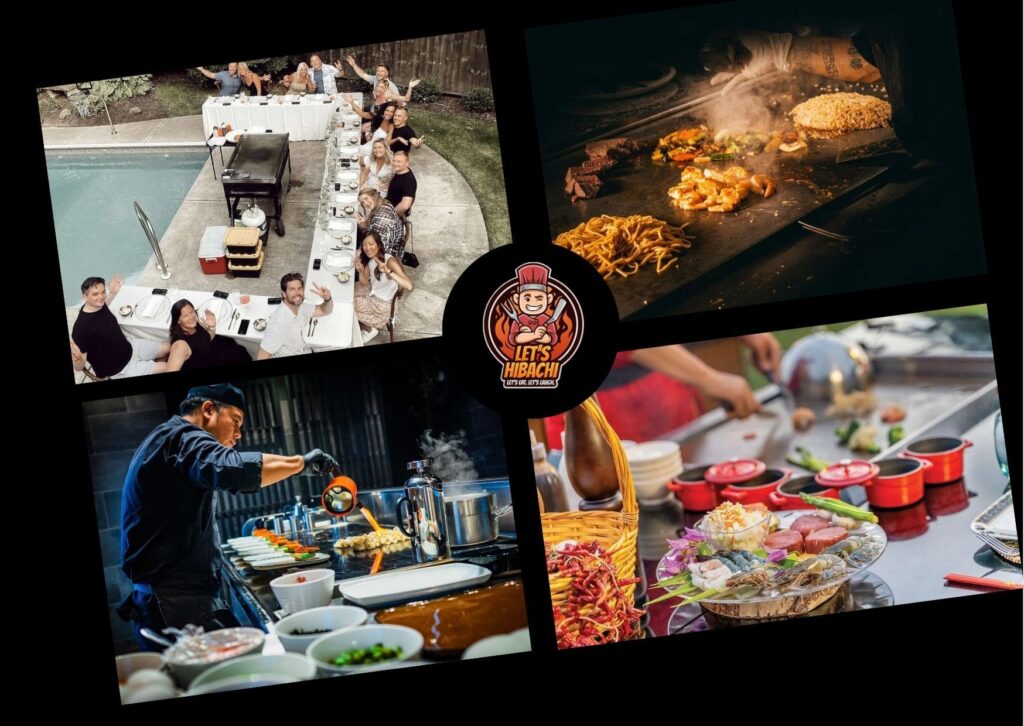
Plan the Menu and Setup for Real-World Flow
A practical event starts with matching the menu to the time you have and the space you can provide. Choose a few hibachi favorites—such as steak, chicken, shrimp, and vegetables—and decide whether you want a full tasting style spread or a simpler crowd-pleasing lineup. If your mobile hibachi chef guests have different dietary needs, note common adjustments like gluten-friendly sauces, allergy-aware substitutions, and separate handling for shellfish or dairy preferences. When the menu fits your schedule, the cooking line stays smooth and guests get served without long delays.
Next, think through logistics before the chef ever arrives. Confirm the cooking location is level, accessible, and large enough for safe grill placement and guest viewing, especially if you’re hosting in a backyard or event venue. Provide clear pathways for staff and guests, plus a plan for where utensils, plates, and drink stations should go. If you’re indoors, ask about ventilation and power considerations so the setup feels comfortable and safe from start to finish. A little upfront planning reduces last-minute changes and helps everyone enjoy the performance.
Choose the Right Chef, Chef Team, and Service Style
A great operator coordinates pacing, portioning, and entertainment so the cooking show doesn’t rush your guests or stall the menu. Ask about team size for your guest count, since hibachi catering a larger party may require more hands to keep the grill moving and the interaction consistent. It also helps to understand how the chef handles custom requests, since some ingredients and spice levels can be adjusted only within certain boundaries.
Service style matters as well, especially for mixed crowds. For families, you may prefer a friendly, calmer show with clear instructions for kids and manageable spice options. For adult events like celebrations, you might want a more energetic performance while still keeping service time predictable. Decide whether you want a plated approach, a shared station approach, or a cook-to-order flow where guests watch their meals being prepared. The best choice is the one that aligns with your crowd and your venue rules, ensuring the event runs like a well-choreographed sequence.
Prepare Your Venue, Timing, and Guest Experience
Venue readiness is one of the most practical levers you can pull for a smooth celebration. Set expectations for parking, entry, and where the chef will stage equipment, then communicate those details to your host team or event coordinator. If your event includes tables and seating, make sure the layout allows guests to gather without blocking staff movement. Provide lighting if the event area is dim, and ensure there’s a comfortable area for guests to stand and watch without crowding the cooking surface.
Timing also deserves a plan that supports the cooking rhythm. Build in a buffer for setup and brief introductions so the chef can begin when the grill and ingredients are ready. For multi-activity parties, coordinate with other vendors so guests aren’t forced to wait through unrelated delays. Consider how guests will flow between appetizers, drinks, and seating, because a clear movement pattern prevents congestion.
Budget Smartly and Handle Common Questions
Guest count, menu selections, and the amount of customization can change the final price, so request a clear quote with what’s included for each plate. Ask whether beverages, additional sides, and condiments are part of the package, and confirm any equipment or space requirements that might affect your venue arrangements. If you’re planning a multi-course event, align the menu complexity with your budget so the experience stays consistent for every guest.
It’s also smart to prepare answers to common guest concerns before they arise. Share guidance on spice levels, common allergies, and ingredient options so everyone feels included and informed. Confirm how the chef handles allergy-aware requests, since cross-contact prevention often depends on available ingredients and workflow. Finally, review the event day communication plan so you have a clear point of contact for last-minute questions about timing, setup location, and crowd flow. When you approach the details with intention, you get the show and the flavor—exactly the way you want—without stress. Let’s Hibachi makes it simple to enjoy interactive cooking and entertainment at your gathering with fresh meals prepared right where your celebration happens at letshibachi.com.
Conclusion
Visit Let's Hibachi for more details.