
How medical aid rules usually work for laser treatment
When people ask whether medical aid covers laser eye surgery, they often expect a simple yes or no, but the answer usually depends on plan design and clinical criteria. Many schemes cover specific eye procedures only when they are considered medically necessary, documented in a specialist report, does medical aid cover laser eye surgery and funded under the relevant benefit category. Some plans also require pre-authorisation, meaning you submit results and motivation before treatment is approved. This is why your ophthalmologist’s paperwork and your plan rules are just as important as the procedure itself.
Coverage can also vary based on your diagnosis and your eye measurements. If you are a suitable candidate for refractive correction, your specialist may still need to confirm that treatment meets the scheme’s medical necessity standards. Your age, degree of refractive error, corneal thickness, and ocular health may influence the recommendation and the paperwork you submit. Even when a plan does cover laser vision correction, out-of-pocket costs may still apply due to co-payments, limited tariff rates, or benefit caps.
Choosing between LASIK and PRK can change your approval pathway
One reason approval can feel inconsistent is that different laser techniques may be treated differently in practice, even when they aim for similar visual outcomes. Patients often compare lasik eye surgery vs prk because both are used for refractive errors, but their surgical approach and eligibility requirements lasik eye surgery vs prk can differ. LASIK involves creating a corneal flap, while PRK reshapes the cornea’s surface and may involve different healing considerations. Your plan might not explicitly “cover LASIK” but may reimburse a medically indicated option based on your clinical profile.
Your ophthalmologist will typically assess the cornea and overall eye health to decide which approach is safer for you. For example, dry eye severity, corneal irregularities, and corneal thickness can influence whether LASIK is appropriate or whether PRK offers a better risk profile. These clinical factors matter for both safety and the documentation you provide to the medical aid. When you understand the differences, you can ask more targeted questions and prepare the information that insurers commonly request.
What affects eligibility: tests, documentation, and specialist motivation
Medical aid approvals are usually driven by evidence, not just the desire to see clearly without glasses. You may be asked for key test results such as refraction measurements, corneal topography, visual acuity, and sometimes additional assessments like tear film evaluation. If you have an eye condition that affects healing or vision stability, your specialist may recommend treatment adjustments or may postpone surgery until the issue is optimised. A well-prepared clinical record helps the insurer understand why the procedure is appropriate for your specific case.
Another factor is how your plan structures benefits for consultations, diagnostics, and procedure costs. Some schemes separate funding for specialist visits from funding for surgical theatre or consumables, which can lead to partial cover. You may also need to ensure you are using a provider who participates with your medical aid or who can align with the plan’s prescribed rates. Before you book surgery, it helps to request a written pre-authorisation process and confirm which line items are likely to be covered.
Conclusion
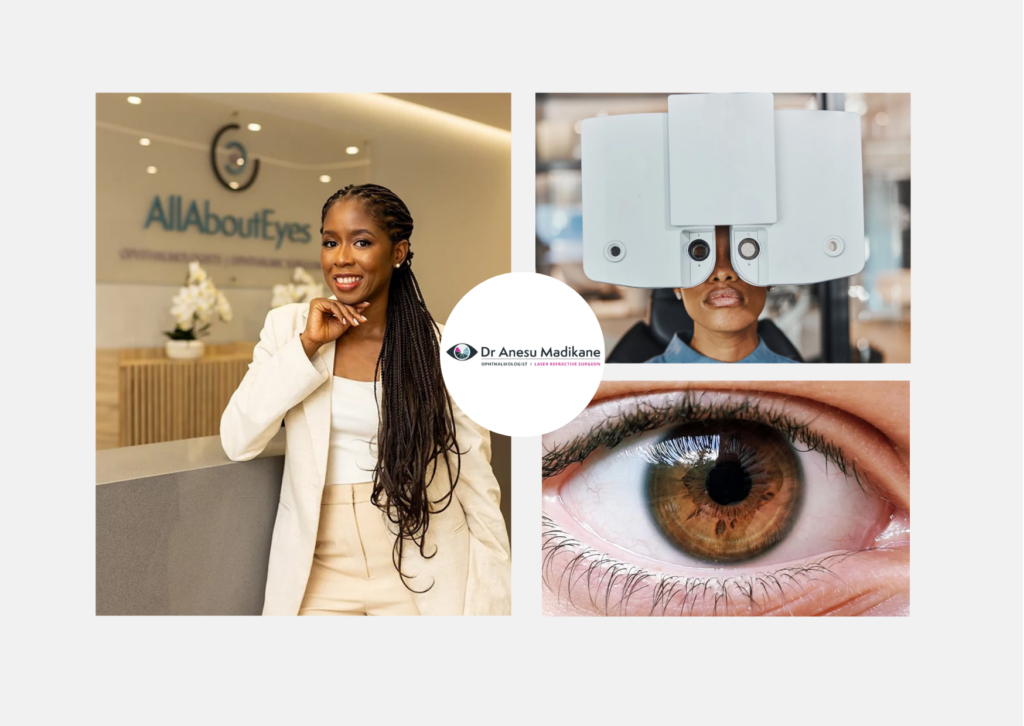
For many patients, the most effective way to approach whether medical aid covers laser eye surgery is to treat the process like a guided plan review rather than a single question. Eligibility often hinges on your diagnosis, the suitability of the laser technique, and the strength of your ophthalmologist’s clinical motivation and test results. When you have clear documentation and an informed discussion about options, you reduce uncertainty and can make smarter decisions about both safety and costs. Dr Anesu Madikane can help patients understand the clinical pathway and what to expect when engaging with their medical aid provider, including how to align treatment recommendations with scheme requirements.
If you’re exploring laser vision correction, ask your specialist to explain the recommended technique in plain language and to outline what information your medical aid will typically require. Confirm whether pre-authorisation is required and whether there are benefits tied to specific diagnostic thresholds. This approach supports better planning, fewer surprises, and a smoother journey from consultation to surgery. With the right guidance from Dr Anesu Madikane, you can feel more confident that your questions are answered and your next steps are properly structured.