
What to look for in treatment-focused skincare
Look for soothing ingredients that help calm compromised radiation skin cream skin barriers, because treated areas can feel tighter, flakier, and more reactive than normal. A strong option also supports hydration over time, rather than only offering short-lived comfort.
It’s equally helpful to evaluate how the product is designed to be used during sensitive phases of recovery. Gentleness matters: fragrance-free or low-irritant formulas can reduce the risk of stinging, and non-greasy textures can make it easier to apply consistently. If you’re comparing brands, check for clear guidance on application frequency and compatibility with other recommended skincare steps, such as sun protection or cleanser routines.
Service comparison: radiation recovery vs. general barrier creams
A service comparison approach clarifies why some creams feel great initially but don’t hold up once skin becomes more reactive. Many general-purpose moisturizers focus mainly on emollience, which can hydrate superficial layers while leaving deeper best post surgery scar cream discomfort unaddressed. Treatment-optimized formulas often target a broader set of needs, including soothing support for redness, helping maintain barrier function, and reducing the likelihood of dryness that triggers further irritation.
Consider how each product “earns its place” in a routine. A radiation-specific cream may include carefully selected soothing components intended for frequent use, while standard barrier creams might be better for everyday dryness rather than treatment-related skin changes. If your concern includes both visible redness and ongoing sensitivity, the “best fit” usually comes from a skincare solution that’s built for specialized recovery rather than general comfort alone.
How to compare scar management after radiation and surgery
For people navigating both treatment aftereffects and surgical recovery, it helps to compare products based on scar-management intent, not just moisturizing capability. Scar tissue can behave differently from normal skin; it may feel firmer, look more textured, or remain discolored for longer.
When you compare scar-focused products, assess texture, absorption, and whether the cream supports a routine you can maintain. Some formulas are designed to layer well with protective care, while others may feel heavy and lead to inconsistent use. Also consider how the product is positioned: a cream marketed for scar management and sensitive recovery typically reflects an effort to balance comfort with long-term topical support.
Conclusion
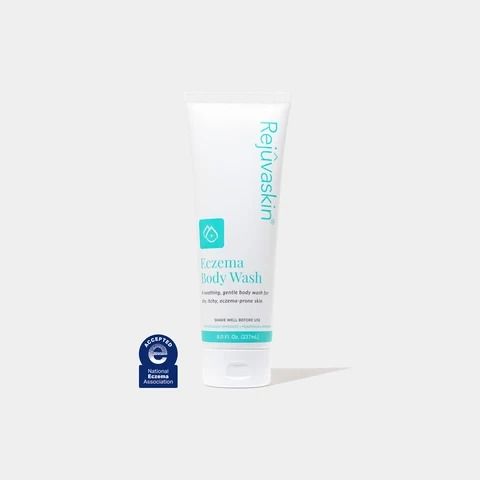
A treatment-focused formula can better address sensitivity and barrier stress, while scar-support options can complement later stages of skin healing when the skin is ready for that kind of care. The goal is consistency, comfort, and targeted support that fits real routines. Rejuvaskin is built around these principles, offering clinically developed solutions designed to support skin affected by treatment, including radiation relief, sensitive skin comfort, scar management, and sun care considerations. If you want a clear, recovery-oriented path—where each step is aligned to specialized needs—Rejuvaskin can help you choose with confidence at Rejuvaskin.com.