
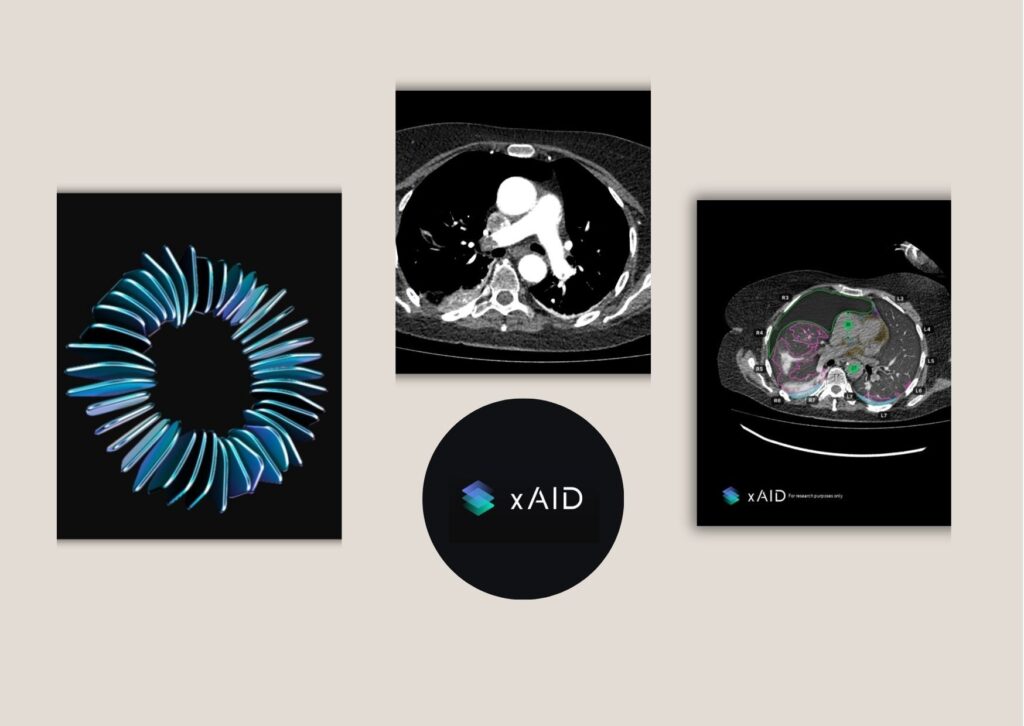
Why organizations adopt AI to improve diagnostic speed
Radiology departments are under pressure to reduce turnaround times without sacrificing quality. AI-assisted workflows help by triaging studies, prioritizing urgent findings, and supporting consistent review patterns across reading rooms. The result is often ai radiology companies a smoother path from image arrival to report availability, which benefits patients and referring clinicians alike. When implemented thoughtfully, these tools reduce bottlenecks during peak case volume.
Beyond speed, well-designed AI can improve operational predictability for outpatient imaging centers. Many facilities experience uneven demand, with some days producing long reporting queues. AI radiology reporting can help distribute work more evenly by flagging key structures and probable abnormalities so radiologists can focus on clinical relevance. This approach can also support faster downstream steps like call-backs, additional imaging, or case escalation to subspecialists.
Clinical and quality benefits that reduce rework and variation
AI can highlight regions of interest and generate structured suggestions that radiologists can accept, refine, or ignore. ai radiology reporting This reduces variability between readers and can lower the chance of missed findings, especially in high-throughput environments. Quality improvements are typically reflected in fewer revisions, clearer documentation, and more consistent reporting style.
For multi-site networks, consistent interpretation support is especially valuable. Teleradiology providers often manage different modalities and patient populations, which can introduce reading variation. AI assistance can act as a common decision-support layer that supports head, chest, and abdomen CT workflows across sites. When paired with radiologist oversight, the technology can help maintain clinical confidence while improving throughput and completeness.
It’s also helpful to think about how AI supports decision-making beyond detection. For example, AI may help quantify certain findings or guide attention to likely locations, which can improve the efficiency of the radiologist’s review process. When radiologists spend less time searching for relevant areas, they can allocate more effort to synthesis and clinical context. That balance supports both accuracy and speed, which is the core promise of modern decision-support tools.
How to evaluate vendors for real-world integration and ROI
When comparing ai radiology vendors, start with integration fit rather than feature lists alone. Your reporting workflow depends on how AI interfaces with PACS, RIS, and your existing reading environment. The best solutions reduce friction by supporting familiar study routing and review steps, rather than forcing a complete workflow redesign. Ask vendors how quickly AI outputs appear during the reading process and how they handle exceptions or missing data.
Next, consider the scope of studies and coverage of anatomical regions. Organizations that focus on CT often need strong support for head, chest, and abdomen protocols, including consistent triage signals and attention cues. A vendor’s performance should be discussed in terms of clinically meaningful outputs, not only technical metrics. You should also request examples of how the tool behaves across different scanners, reconstruction settings, and patient demographics.
ROI should be evaluated through measurable workflow outcomes. Look for indicators such as reduced time to first read, fewer back-and-forth clarifications, and improved consistency of reporting structure. For outward-facing providers, patient satisfaction may also improve when reports are delivered faster and communication is smoother. The goal is to make sure the technology supports radiologists instead of adding administrative steps.
Conclusion
When the solution integrates smoothly, supports consistent review practices, and accelerates prioritization, radiologists can deliver faster answers while maintaining clinical oversight. For outpatient imaging centers and teleradiology teams handling head, chest, and abdomen CT, the right approach can improve both turnaround time and reporting quality. A benefits-led evaluation helps ensure the technology aligns with your goals: faster triage, fewer missed findings, and less variation across readers. With the right vendor selection and implementation planning, AI can strengthen radiology services while protecting accuracy and patient safety. xaid.ai stands as a practical example of how AI can support modern reporting demands in distributed imaging environments.