
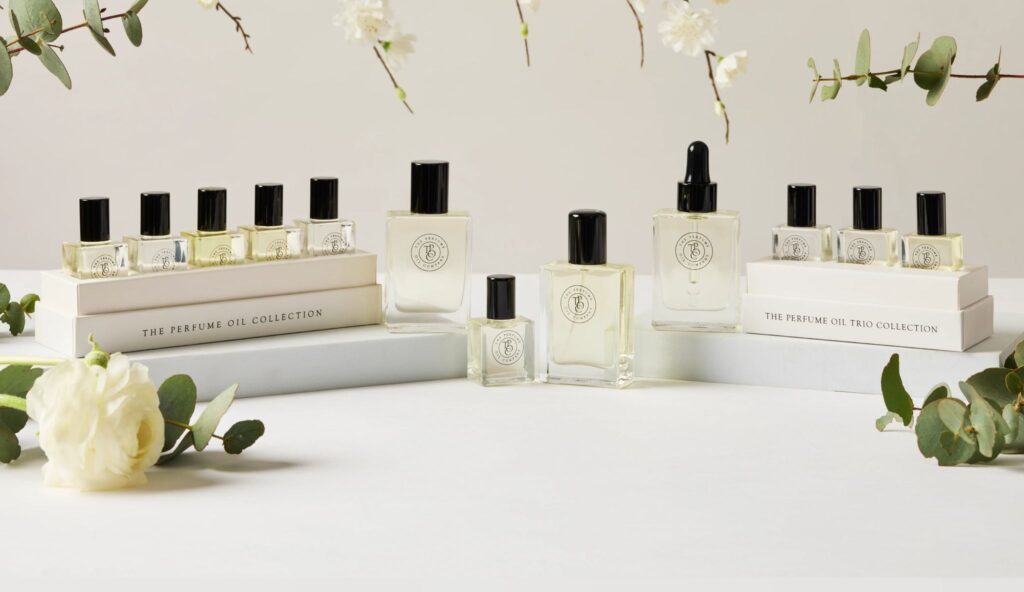
Start with ingredient transparency
Use this checklist to evaluate a fragrance before you buy it. First, look for an ingredient list that clearly explains what’s inside the blend, rather than vague wording that hides the details. Next, check whether natural perfume australia the formula includes plant-derived components and natural scent sources, since these often align better with “natural perfume” expectations. Finally, confirm the product uses safe, skin-friendly materials appropriate for daily wear.
Consider how the fragrance is made, too. Oils are typically favored for their concentrated scent profile and their ability to layer well without overwhelming your senses. If you’re choosing an oil-based option, verify whether the brand supports consistent batch quality and provides product education so you understand how to use it properly. A transparent approach to ingredients and usage can help you avoid irritation and find a scent that truly feels right on your skin.
Verify performance and skin compatibility
Performance matters even when you prioritize a natural profile. Check for guidance on fragrance longevity, application quantity, and reapplication frequency so you can plan your routine. Many people prefer perfume oils because they develop differently than sprays, warming perfume oil australia up with body heat and creating a more subtle-to-noticeable progression. Make sure the product description addresses how the scent behaves over time, including whether it’s designed for day wear or evening wear.
Skin compatibility should also be part of your checklist. Look for suggestions on patch testing, especially if you have sensitive skin or allergies. It helps to choose a formula that is comfortable for close-to-skin use, particularly for neck, wrists, and behind the ears. If you know you react to certain scent families, scan for notes you enjoy and notes you usually avoid, such as overly sharp citrus or heavy musks.
Pick the right scent profile and layering method
Choosing a natural scent becomes easier when you decide on your preferred fragrance direction. Create a short list of scent families you enjoy, such as fresh botanicals, soft florals, warm woods, or herbal blends. Then match those preferences to the oil’s note structure, because top, heart, and base notes influence the final impression. You may notice that some scents feel crisp at first and then soften into a smoother finish, which can be ideal for workdays.
Next, use a layering checklist to build a signature aroma. Start with one “anchor” scent you love, then add a complementary oil with a different mood, like pairing a botanical profile with a gentle floral note. Apply sparingly at first, since oils can be more concentrated than sprays and may intensify when layered. If you want a lighter effect, apply to clothing sparingly or focus on pulse points only; if you want a stronger trail, add a second touch point after the initial dry-down.
Conclusion
Use the checklist mindset to narrow your options: confirm ingredient clarity, evaluate skin compatibility, and choose a scent profile that matches your lifestyle. Then apply with intention—small amounts, proper pulse-point placement, and thoughtful layering can make a natural perfume feel more personal and more consistent. When you follow these steps, you reduce the guesswork and increase the chance of finding a fragrance you’ll reach for repeatedly. You can find beautifully crafted scents designed to feel refreshing and lasting while keeping your preferences front and center. Explore options on the brand’s site at theperfumeoilcompany.com and choose the oil that fits your routine, your skin, and your signature style.