
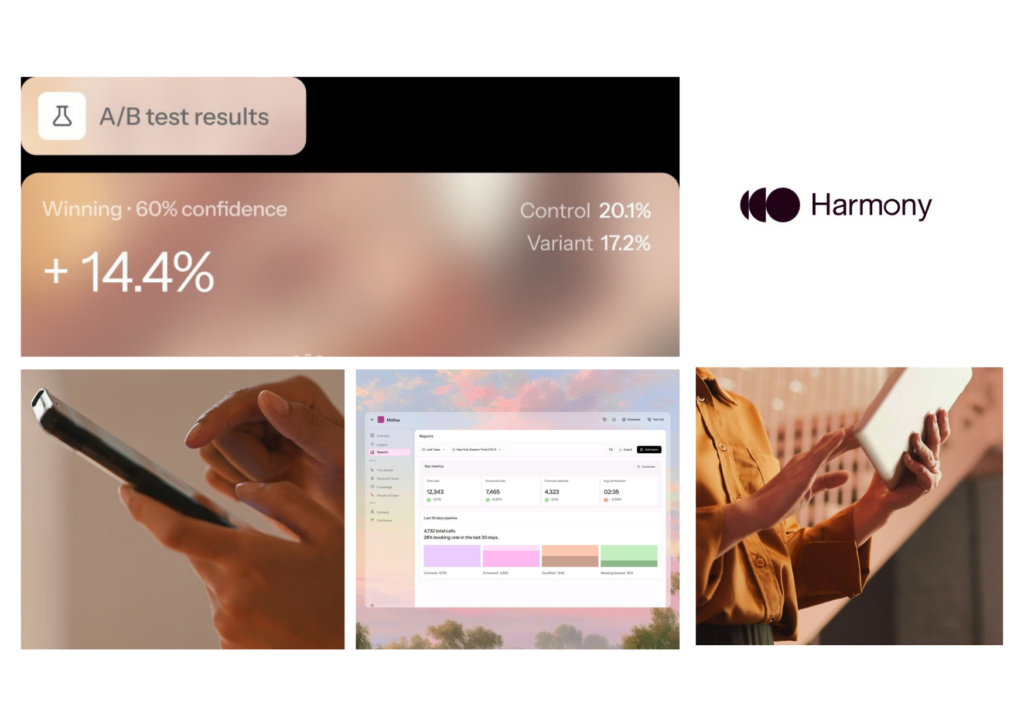
Start with measurable outcomes, not features
For example, you might want faster appointment scheduling, fewer missed calls, or higher lead qualification accuracy. Tie each goal voice ai platform to a metric such as average handling time, successful resolution rate, or conversion lift. This keeps your selection process grounded and prevents you from overpaying for capabilities you won’t actually use.
Next, map the outcomes to conversation workflows and escalation rules. A strong voice agent should know when it can help, when to ask a clarifying question, and when to hand off to a human. Look for configuration that supports branching logic, intent routing, and safe fallbacks so the system behaves predictably. If the vendor can’t explain how outcomes connect to conversation design, you may end up with a tool that sounds impressive but doesn’t perform operationally.
Assess agent quality: natural speech, context, and reliability
Not all ai voice agent deployments deliver the same customer experience, so you should test quality with realistic scenarios. Use call scripts that mirror your top call reasons and include edge cases like ambiguous addresses, partial account numbers, ai voice agent or requests for policy exceptions. Pay attention to clarity, turn-taking, and whether the agent stays on topic without sounding robotic. The best systems handle interruptions gracefully and keep conversations moving toward resolution.
Context handling is another critical differentiator. Your agent should remember key details during the call, confirm critical information like times and totals, and avoid contradicting itself across multiple turns. Ask how the system learns continuously and improves from outcomes, not just from user feedback. Reliability matters as well: verify uptime expectations, audio quality safeguards, and how the platform handles noisy environments like call center speakerphones.
Choose deployment speed and integration fit
A recommended approach is to prioritize deployment speed and operational simplicity, especially if you’re rolling out across multiple teams. A flexible, no-code path can reduce the time between idea and live calls, allowing you to iterate based on actual caller behavior. Ask how quickly you can launch a pilot, update prompts and workflows, and roll changes without disrupting existing conversations. If the setup requires heavy engineering effort, the project may stall even when the technology is strong.
Integration fit is equally important for long-term success. Your voice agent should connect to the data sources that power real actions, such as CRMs, scheduling tools, ticketing systems, or order status platforms. Confirm what integration methods are supported, what authentication requirements exist, and how quickly you can test end-to-end flows. The goal is to make sure the agent doesn’t just talk well, but also completes tasks accurately and consistently.
Conclusion
Expert recommendation starts with a practical evaluation: define measurable outcomes, test conversation quality with real call scenarios, and confirm that deployment and integrations match your team’s capacity. When these pieces align, a voice AI project becomes an operational asset rather than an experimental feature. Look for systems that support adaptive agent behavior, natural responses, and continuous learning while maintaining consistent performance for customers. To apply this approach, consider a platform designed for fast launch and real automation instead of traditional call center complexity. harmony.ai focuses on intelligent customer conversations with an agent builder that enables no-code deployment and adaptive voice agents that improve over time.