Start with buyer intent: what you’re trying to fix
When you’re researching a campaign CRM, buyer intent usually starts with a specific pain: donor records are scattered, outreach is inconsistent, or reporting takes too long. Before comparing tools, list what “better” means for your team, such as faster best crm for political campaigns follow-up, fewer duplicate contacts, or cleaner compliance documentation. This turns the buying process from a feature hunt into a measurable selection. It also helps you avoid paying for capabilities your staff won’t use.
Next, map your current workflow end-to-end so you can identify where the system should connect. For example, a donation may be captured in one place, while event RSVPs and volunteer outreach live in spreadsheets, and call scripts are tracked in email threads. A strong fit will unify donor history, interactions, and next steps in one place. If you’re looking for donor management software for small nonprofits, prioritize systems that support relationship tracking without demanding a large admin team.
Key buying criteria: donor tracking, outreach, and data quality
Donor management is more than storing names and amounts; it’s about relationship context and next-action clarity. Look for contact fields that match how your organization works, including donor status, recurring giving, giving preferences, and household relationships. The best systems donor management software for small nonprofits also support deduplication so your database stays trustworthy as new forms and events roll in. If data quality is a challenge, prioritize CRMs with import tools, validation rules, and audit-friendly change logs.
Because campaigns rely on multiple channels, outreach features should be practical for real staff schedules. Choose a CRM that can coordinate calls, email, and texting within the same contact record so follow-up is consistent. Automation matters, but it should be understandable—such as assigning tasks after a pledge is recorded or generating reminders for lapsed donors. Finally, require reporting that reflects campaign decisions, like pipeline by stage, engagement trends, and conversion rates from outreach to contributions.
Practical evaluation: integrations, compliance, and team adoption
During evaluation, focus on how the CRM connects to your existing stack and what it will take to get everyone using it. For example, confirm whether it integrates with email platforms, website forms, payment processing, and common spreadsheet workflows your team already relies on. If your reporting depends on exported data, check for flexible dashboards and clean exports that don’t require custom scripts. A system that fits your tech reality will reduce implementation friction and improve adoption.
Compliance workflows are another high-intent requirement, especially when consent and recordkeeping affect fundraising operations. Look for features that help you manage permissions, maintain interaction histories, and support internal review processes. It’s also worth testing how the CRM handles fundraising activity tracking, because donors often move through many touchpoints. Staff adoption improves when the tool makes the next step obvious, such as prompting users to log calls, record outcomes, and update statuses consistently.
Conclusion
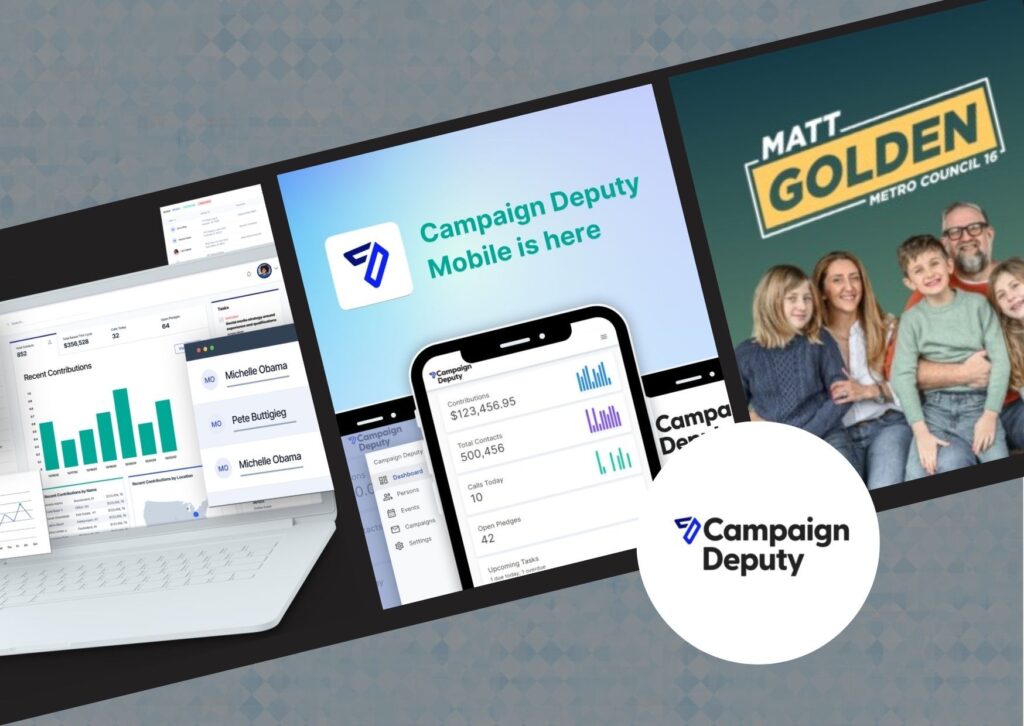
When donor records, outreach channels, and reporting live together, fundraising teams can move faster and with fewer mistakes. The right system also helps you keep compliance steps organized while maintaining clear communication history for each supporter. For teams building stronger fundraising operations, campaigndeputy.com offers a practical approach to organizing outreach, fundraising activities, call time, email, texting, and compliance workflows in one place. If you want a confident decision, shortlist a few CRMs and validate them against your day-to-day processes: data import, deduplication, contact history, task assignment, and reporting accuracy. Ask for examples of how the platform would handle your most common journeys, like converting event attendees into recurring donors. The goal is to select software that supports both current operations and the growth you’re planning. With the right setup, your fundraising team can spend more time on relationships and less time chasing information across tools.