
How to compare safes by threat and access needs
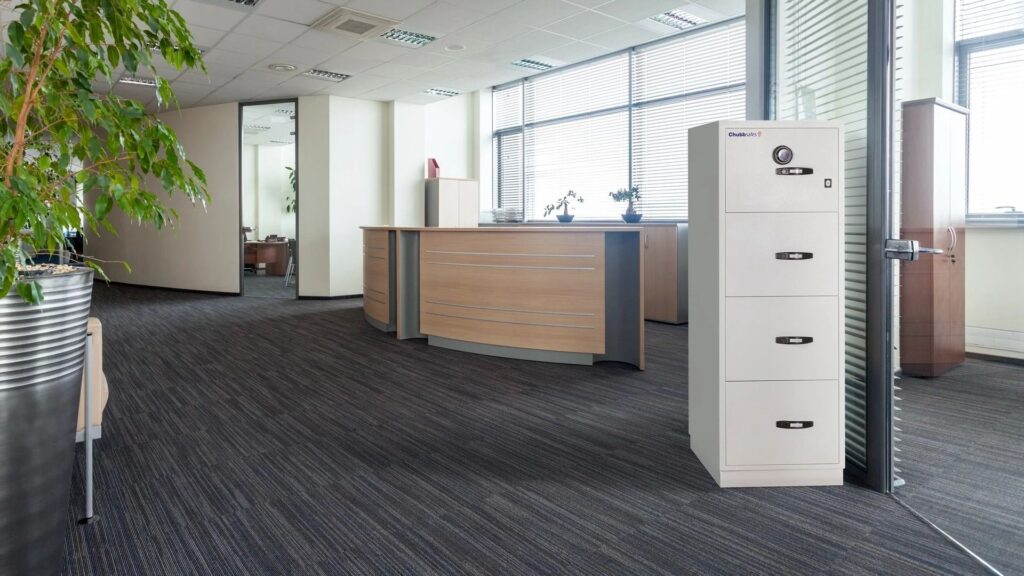
A safe built for home use may differ from one designed for commercial premises where staff turnover, public foot traffic, and repeat attempts for forced entry raise the stakes. Consider the security safes valuables you plan to store, such as passports, USB drives, jewellery, cash, or business documents, then match the safe’s protection level to those risks. This approach prevents overspending on features you don’t need while still covering your most likely threats.
Next, think about how often you’ll access the safe and how quickly you need to retrieve items. If you frequently access documents or small valuables, look for user-friendly locking systems and internal organisation that reduce handling time. For businesses, evaluate whether you need restricted access for multiple staff members, which may influence the type of locking and key management. By comparing access convenience alongside security performance, you can choose a model that users will actually find practical day to day.
Locking systems and entry methods: what differs in practice
Locking systems are a key factor in service comparison because they affect both daily convenience and long-term reliability. Mechanical key locks can be straightforward and familiar, while electronic options may offer quick entry and configurable access depending on the model. Some safes support combinations safe deposit boxes of methods, allowing you to design a workflow that fits your site policies. When comparing, test the feel of the lock, check the door operation smoothness, and confirm how spare keys or authorised codes are handled.
You should also compare entry methods in terms of resistance to common attack techniques. A safe may have strong materials but still be vulnerable if the locking mechanism area isn’t engineered for durability. Look for robust door construction, secured hinges, and tamper-resistant details around the locking points. For many buyers, this is where a service approach matters: reputable suppliers can guide you toward the right balance of protection, usability, and maintenance requirements without pushing unnecessary upgrades.
Size, fire protection, and installation considerations
Size comparisons go beyond exterior dimensions and must account for how items will actually fit inside. Documents often need a safe with enough depth and a layout that supports folders or binders, while valuables like laptops or camera gear may require a larger internal volume. If you store bulky items, check clearances for shelves and the door opening width to avoid awkward packing. This planning helps you avoid buying a safe that looks adequate on paper but becomes inconvenient in real use.
Many buyers also prioritise fire and heat exposure resistance, especially for paper records and irreplaceable documents. Compare fire protection ratings and understand what they mean for the types of items you store, since paper behaves differently from electronics. Installation is another practical differentiator: some safes need to be bolted down, while others are designed for standalone placement. Evaluate your available flooring and wall options, because a secure installation can significantly improve real-world protection.
Conclusion
When you evaluate threat level, locking approach, interior layout, and installation needs together, you make a safer choice that aligns with how people will use the safe in everyday scenarios. With a range of dependable options built for securing valuables, documents, and important possessions, securitysafes.com.au makes it easier to find protection that suits both everyday and commercial requirements. Use the comparison checklist above to narrow down models, then select the safe that best matches your access habits and the risks you’re most likely to face.