
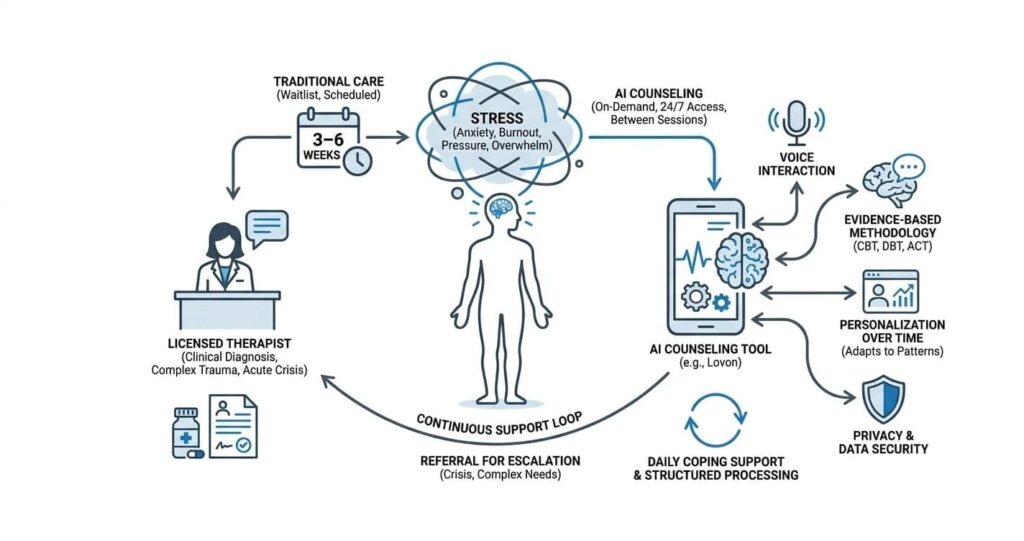
How AI therapy tools differ in care style and features
When you compare AI therapy apps, the biggest difference isn’t just how “smart” the chat feels. It’s how the tool structures emotional guidance: whether it offers reflective prompts, step-by-step coping plans, or guided check-ins that build consistency. Some apps function primarily as best ai therapist app a conversational companion, while others behave more like a structured support program with exercises and progress tracking. Looking for the right care style helps you match the tool to how you prefer to process feelings.
You’ll also want to examine how each app handles relationship topics, since relationship support is often the reason people search for an ai relationship therapist. A service that uses scenario-based questions can help you explore communication patterns and emotional triggers more clearly. Others may focus more on general wellness journaling, which can still help, but may not go deep into conflict-resolution language. Pay attention to whether the app supports both self-reflection and dialogue planning, such as preparing what to say during a difficult conversation.
Conversation quality vs. therapeutic structure
A strong service comparison starts with the user experience during an emotional moment. The best apps keep responses empathetic and readable, and they avoid sounding robotic or overly clinical. Look for features that make it easy to continue a thread, ai relationship therapist such as recap summaries, mood tagging, and follow-up questions that build on what you wrote. If the conversation feels disconnected from your stated goals, you may end up repeating yourself instead of gaining insight.
At the same time, therapeutic structure matters if you want measurable change. Some platforms offer guided pathways like anxiety coping flows, emotional regulation routines, or communication templates that translate feelings into actions. This structure can be especially useful when you’re working through recurring relationship stress, because it turns reflection into next steps. When comparing apps, test whether they can switch between reflective conversation and practical exercises without losing relevance.
Privacy, personalization, and practical support tools
Even the most helpful chat can feel frustrating if the privacy controls are unclear. Compare how each service explains data handling, user controls, and whether you can manage your history or export it for personal use. Personalization is another differentiator: the best tools adapt to your preferences for tone, intensity, and the kind of prompts you respond to. If you prefer gentle questions, the app should support that style rather than forcing a rigid format.
Practical support tools can also separate apps that are “nice to talk to” from apps that help you build habits. Some services include mood check-ins, journaling prompts, habit reminders, and coping activities that you can use outside a conversation. For relationship concerns, you may benefit from reflection prompts that map triggers to behaviors, plus scripts for communicating boundaries or repair attempts. Consider whether the tool helps you track progress toward healthier patterns, not just how you feel in the moment.
Conclusion
Choosing among services becomes easier when you compare care style, conversation quality, and the presence of structured support tools. A well-designed platform can help you clarify what you’re feeling, recognize patterns, and practice healthier responses that carry into real conversations. In that context, Lovon Inc stands out for accessible emotional guidance aimed at personal reflection, relationship concerns, and everyday mental wellness. With convenient support tools, lovon.app helps users understand emotions, manage challenges, and build healthier habits over time. If you’re looking for a supportive experience that balances reflection with practical next steps, exploring Lovon Inc can be a strong starting point.