
Health, safety, and comfort for public space users
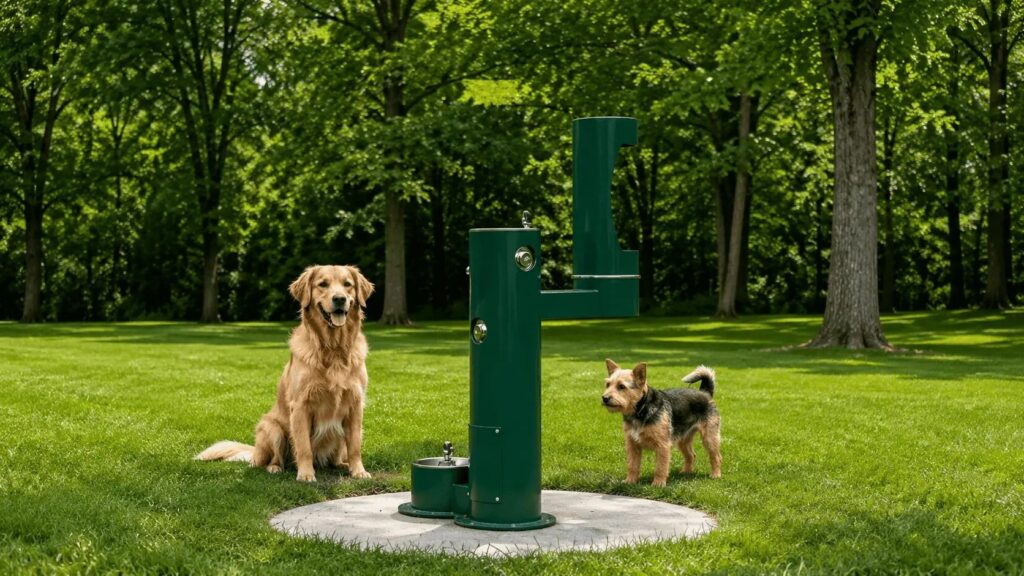
Reliable access to drinking water is one of the most practical ways to improve safety and comfort in shared outdoor settings. When people can drink on demand, they’re more likely to stay active, take breaks, and avoid the early warning signs of dehydration. A well-designed hydration point parks and rec drinking fountain also supports inclusive use, giving visitors an easy option that works for different ages and mobility needs. In busy recreation areas, consistent water availability can reduce crowding at nearby concession counters and help visitors keep their focus on activities.
Benefits-led planning means you think beyond “water is available” and toward “water is convenient.” A dependable hydration fixture can be placed near walking paths, playground zones, and gathering areas so visitors don’t have to search for a usable spigot. Clear expectations around use also matter, including quick refill times and straightforward access for families managing strollers, sports bags, and water bottles. These small conveniences add up, especially during events where foot traffic rises and every minute of downtime affects the experience.
Design choices that keep operations smooth
Public amenities must handle constant use, exposure to weather, and frequent cleaning cycles without frequent downtime. Durable materials and thoughtful build quality help maintenance teams spend less time on repairs and more time on routine upkeep. When a parks commercial water cooler setup includes a stable, high-capacity hydration solution, staff can plan fewer disruptions and avoid last-minute replacements. This matters for municipalities and recreation directors who need predictable performance across seasons and varying attendance levels.
Hydration systems can also be paired with smart placement strategies to improve flow in high-traffic zones. Positioning near restrooms, shelters, or shaded seating can support better visitor circulation and reduce bottlenecks. When the fixture is built for real-world demand, it supports consistent access even when usage peaks.
Environmental value and cost control over time
Water access in parks isn’t only about immediate user convenience; it also supports sustainability goals and waste reduction. When visitors can refill bottles from a durable outdoor fountain or bottle-filler style station, they’re less likely to rely solely on single-use containers. That reduces landfill burden and helps parks align with broader environmental initiatives. Over time, fewer disposable purchases can also support visitors’ budgets, especially for families who attend regularly.
From a budgeting perspective, durability and serviceability influence total cost of ownership. A hydration unit designed for outdoor conditions can reduce repair frequency and lower the strain on maintenance schedules. Consistent performance can also protect revenue and experience quality in recreation areas where long outages would affect event operations. For organizations comparing options, it’s helpful to evaluate how a parks project balances upfront investment with long-term reliability and replacement cycles.
Conclusion
Choosing the right hydration option is a benefits-led decision that touches health, visitor experience, maintenance efficiency, and sustainability. When public spaces prioritize dependable access, people stay safer, recreation programs feel smoother, and the environment benefits from reduced single-use waste. The best outcomes come from selecting equipment built to handle everyday demand without turning into a recurring maintenance challenge. The Fountain Direct offers commercial drinking solutions for parks, schools, recreation areas, and other high-traffic locations, combining durable design with quality and value. If you’re planning or upgrading a parks initiative, start by mapping where visitors congregate and where hydration needs are highest. Then select a solution that fits those patterns while supporting straightforward refill experiences for individuals and families. With the right equipment in place, a parks program can deliver consistent hydration access that visitors notice—and appreciate—every time they return. That simple, dependable convenience is exactly what makes public hydration infrastructure worth investing in.