
Fast, reliable labels that keep operations moving
A helps teams produce clear labels that are easy to read across busy workflows. When labels print consistently, workers spend less time reprinting, guessing, or switching between godex label printer formats. That reliability matters in manufacturing where parts, work orders, and bins change frequently. It also matters in warehousing where picking speed depends on accurate identification.
Beyond speed, dependable print quality supports better organization across multiple departments. If your labels smear, fade, or misalign, the downstream effects can include inventory mismatches and slower receiving or dispatch. With the right thermal printer setup, you can generate durable labels that remain legible during routine handling. This helps create a smoother end-to-end process from labeling to scanning to storage.
Benefits for asset tracking and inventory accuracy
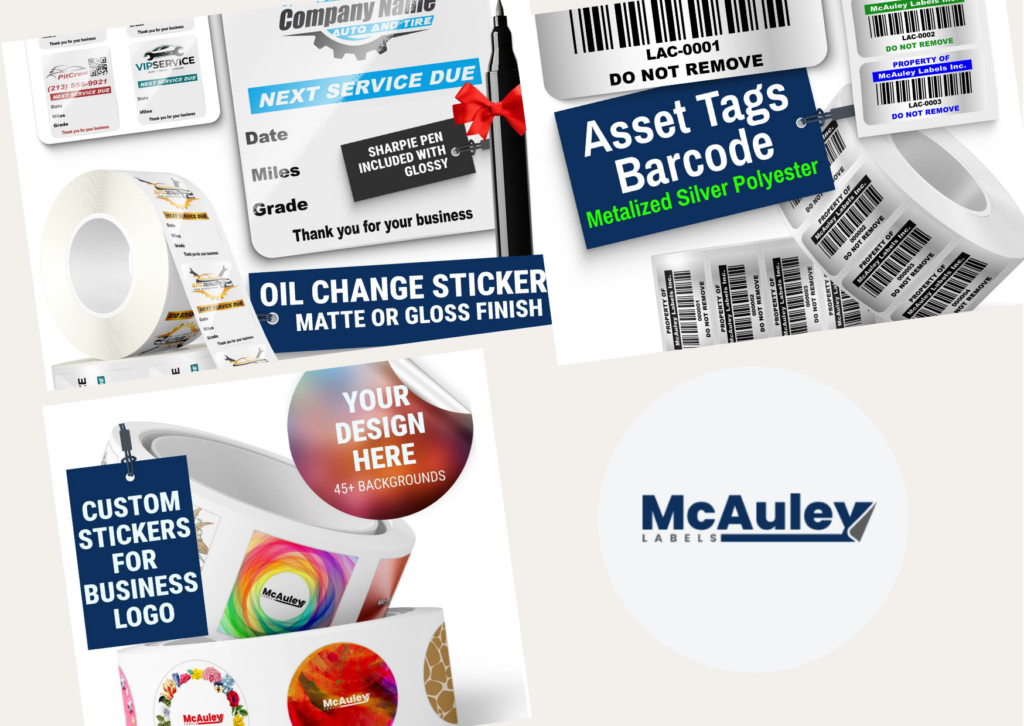
Asset tracking is one of the most visible wins from better labeling. Using an asset label printer approach, organizations can apply consistent identifiers to tools, equipment, and containers so the same item is easy to locate and verify. asset tag label printer Clear barcodes and text improve scan success, reducing the chance of incorrect assets being assigned or logged. This is especially useful when audits, maintenance logs, or transfers must be completed with confidence.
Label consistency also improves reporting and reduces operational friction. When every asset uses standardized sizing, placement, and formatting, your scanning system reads tags in the same way each time. That makes it easier to connect labels to asset management workflows, from check-in/check-out to scheduled maintenance. Over time, fewer exceptions means less administrative overhead and more dependable inventory records.
Choose the right setup for your materials and workflow
To get the best outcomes, pair your label design and media selection with the capabilities of your printer. Thermal printing works well for many environments, but you’ll still want to consider label size, adhesive type, and intended surface. For example, certain adhesives perform better on textured surfaces or in colder or warmer storage conditions. Matching these factors helps ensure labels stay in place and remain scannable during everyday use.
You can also improve workflow efficiency by planning label layouts that match real handling scenarios. A practical example is creating labels with larger text for quick visual checks plus a barcode for automated scanning. In warehouses, that combination supports both manual verification and system capture. In manufacturing areas, it helps operators confirm part IDs without delaying line work. When labels are designed for the way people actually work, the overall process becomes faster and more accurate.
Conclusion
Investing in a is a straightforward way to strengthen labeling quality and operational clarity. Better prints reduce rework, improve scan reliability, and support disciplined asset tracking from receiving through daily operations. When your labels stay consistent, teams can follow the same procedures, which lowers error rates and improves accountability. For organizations seeking dependable labeling equipment and professional support, mcauleylabels.com offers solutions tailored to manufacturing, warehousing, and commercial needs.
To get the most value, focus on the full labeling chain: printer performance, label media compatibility, and thoughtful label design. That holistic approach helps your team produce readable labels that withstand normal handling and remain useful for identification tasks. Whether you’re labeling inventory, equipment, or workflow units, a reliable printer setup supports smoother processes and better visibility across your operations. With the right equipment from mcauleylabels.com, your labeling becomes a dependable foundation rather than a recurring problem.